What is proposed
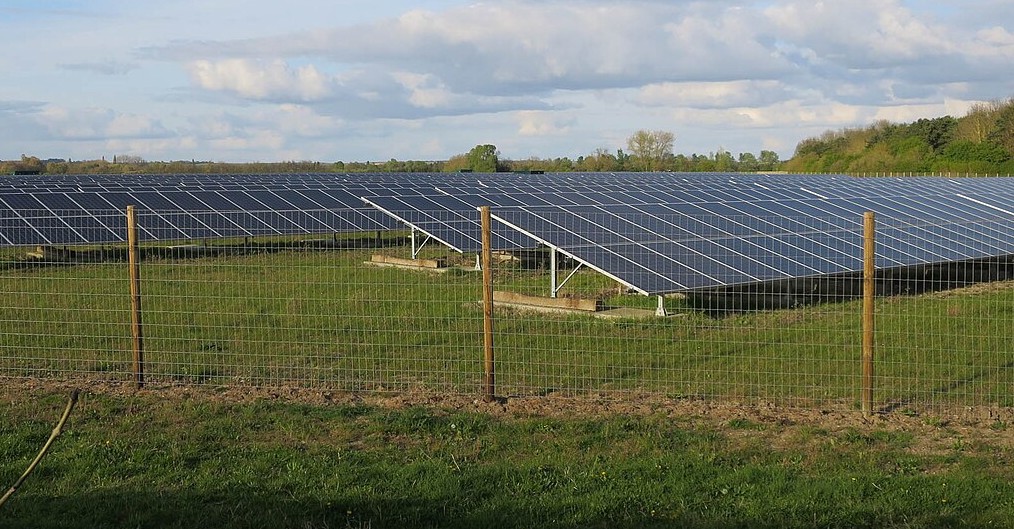
Botley West is a proposed 840MW solar farm across parts of West Oxfordshire, Cherwell and the Vale of White Horse. The developer says it could generate electricity equivalent to the annual needs of around 330,000 homes. Most of the project land is associated with the Blenheim Estate, and the scheme would connect to the national transmission network near Farmoor.
The proposed generating capacity. This is nationally significant infrastructure, so consent is being decided by the Secretary of State through the Development Consent Order process rather than by a normal local planning application.
Our position
The climate and nature crises require a much faster transition away from fossil fuels. Sustainable Woodstock therefore supports large-scale renewable generation in principle. Our support is not a blank cheque: a good renewable-energy project should also protect and restore nature, treat neighbours fairly, minimise avoidable harm and leave a meaningful local legacy.
Clean power
Generate substantial low-carbon electricity and contribute to a more secure, electrified energy system.
Nature recovery
Deliver credible biodiversity gains, careful soil and water management, appropriate habitat creation and transparent long-term monitoring.
Landscape & heritage
Use buffers, screening and design choices that respond seriously to homes, settlements, rights of way and the setting of heritage assets.
Community benefit
Share a meaningful proportion of the value created with the communities living alongside nationally significant infrastructure for decades.
Community energy
Explore ownership, investment or local-energy opportunities that create a deeper relationship than a conventional developer fund alone.
Why community benefit became a major issue
During the planning process Sustainable Woodstock became increasingly concerned that debate about whether the solar farm should exist at all was crowding out a second question: if it is built, what should the host communities receive?
The developer's stated offer has been £441,000 a year. Sustainable Woodstock has argued that this is too small relative to an 840MW project of this scale and duration, and has compared it with alternative approaches used or proposed elsewhere.
Low Carbon Hub's Make Botley West Fair campaign calls for 2% of project revenue to flow to host communities. The aim is a benefit substantial enough to fund long-term local priorities rather than a collection of small grants.
Potential uses could include warmer homes, community-owned renewable energy, safer walking and cycling routes, biodiversity recovery and other projects with lasting public value.
Our consultation response
Sustainable Woodstock's 2024 statutory consultation response looked beyond a simple yes/no position. It raised community benefit, biodiversity, farming and soils, landscape, access, hydrology, traffic, heritage, energy bills and the possibility of community ownership.
Read our consultation response (PDF) →
Public discussion: why here, why now?
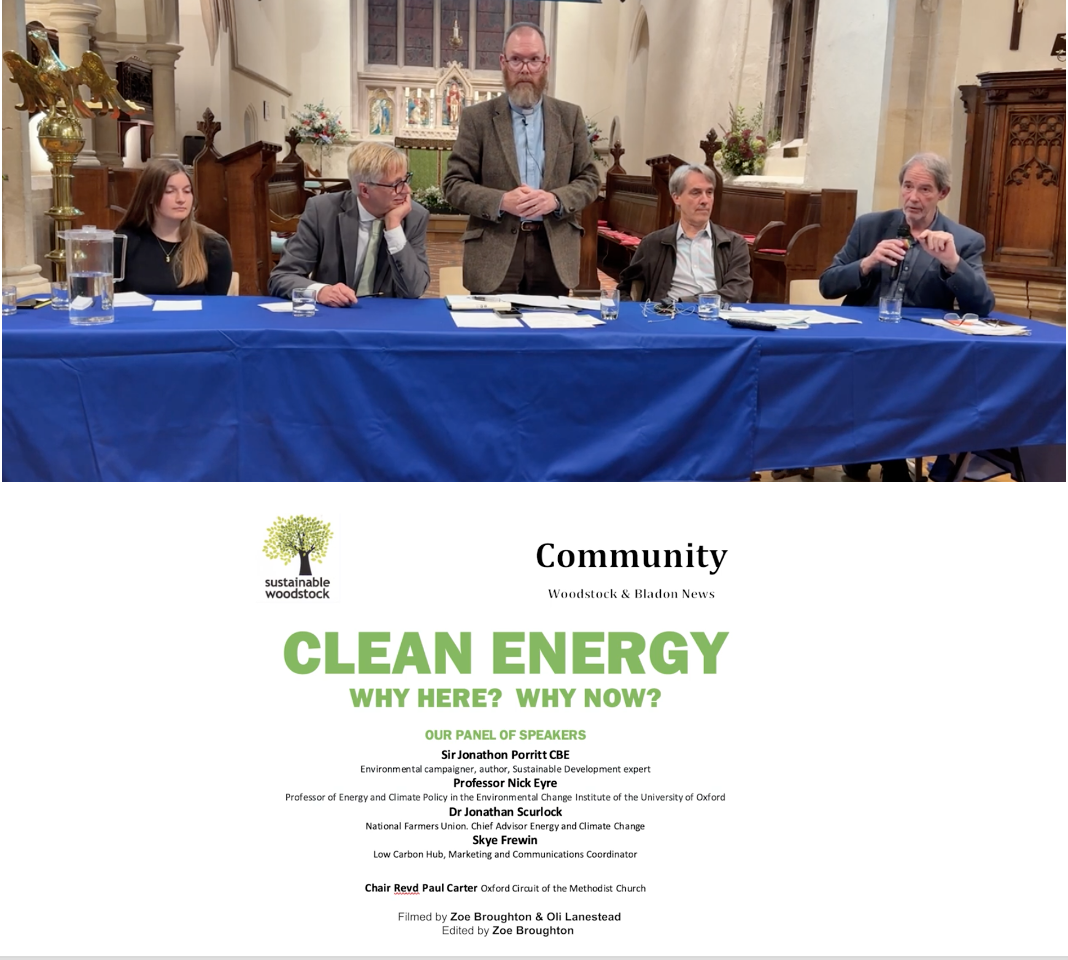
In October 2023 Sustainable Woodstock helped organise an independent public meeting at St Mary Magdalene Church: Clean Energy — Why Here and Why Now? The aim was to create space for evidence and questions at a time when the proposal was generating sharply polarised views.
The packed meeting brought together an expert panel to discuss the case for large-scale solar, the energy system, land use and the local implications. A recording remains available online.
Watch the 2023 public meeting ↗
Where the application stands
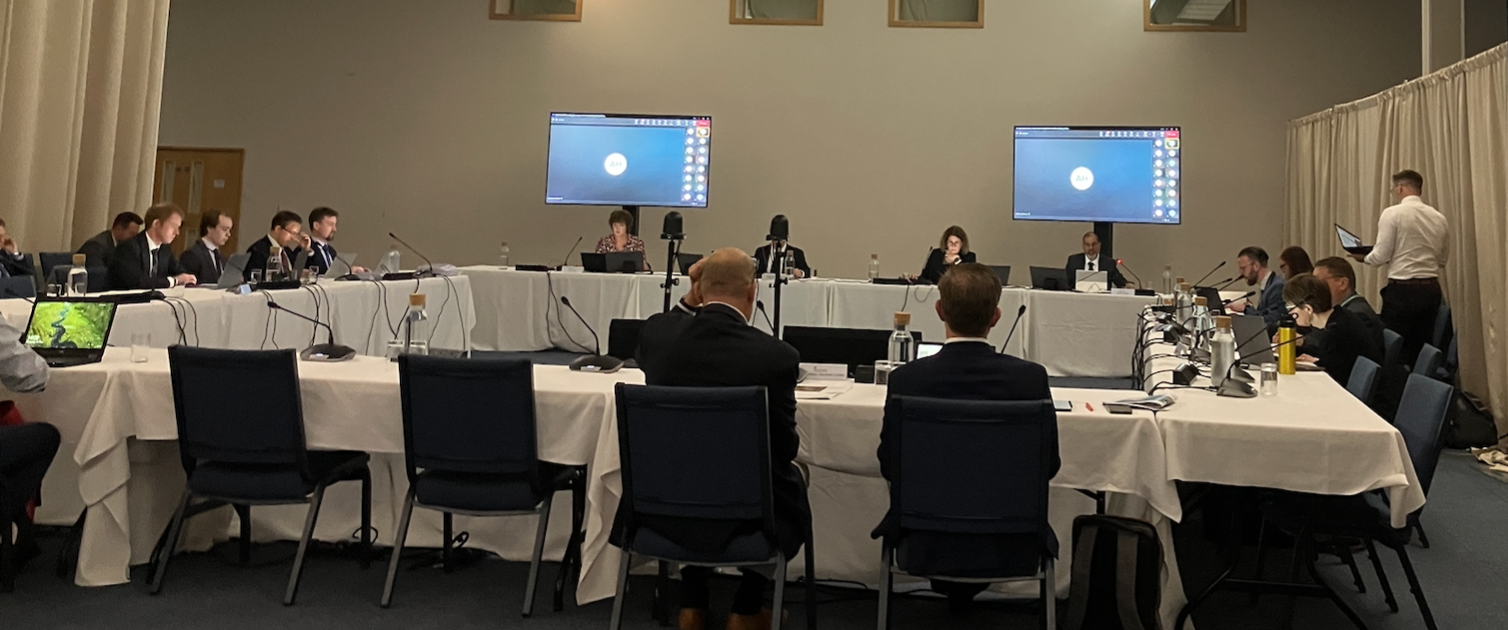
Status checked September 2026. The government has stated that the extension is without prejudice to the eventual decision.
Why this matters beyond one solar farm
Projects such as Botley West test how the energy transition is experienced locally. The fastest route to clean power will be more durable if communities can see that nationally important infrastructure also produces locally visible value, and if environmental promises are designed to be measurable over the full life of a project.