
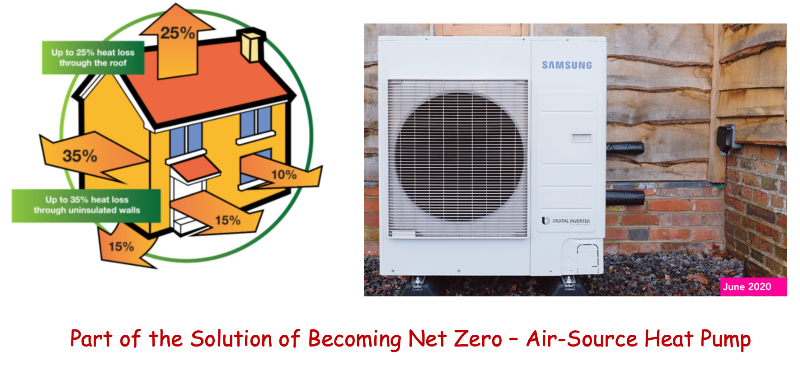
Start with the building
Woodstock has everything from modern estates to old stone cottages, listed buildings and homes in the conservation area. The right measures depend on how a particular building was constructed, how it is heated and ventilated, and what problems you are trying to solve.
For substantial work, a whole-house plan can prevent expensive mistakes: for example, fitting a new heating system before reducing heat loss, or adding insulation without thinking about moisture and ventilation.
1 · Understand
Look at bills, comfort problems, draughts, damp, ventilation and the fabric of the home. Thermal imaging in cold weather can help reveal heat-loss patterns, but it is most useful when interpreted in context.
2 · Reduce demand
Draught-proofing, loft insulation, appropriate wall or floor insulation and better windows or secondary glazing can all reduce the amount of heat a home needs. In older buildings, materials and moisture movement matter.
3 · Control heat well
Good thermostatic controls, sensible heating schedules and well-balanced radiators are unglamorous but effective. They can improve comfort without major building work.
4 · Decarbonise heating
Heat pumps can provide efficient low-carbon heating when correctly designed for the property. The installer should assess heat loss, emitters, hot-water needs and electrical capacity rather than simply replace a boiler like-for-like.
5 · Generate electricity
Roof-mounted solar PV can cut grid electricity use and export surplus power. Batteries may increase self-use, but the economics depend on your generation, consumption and tariff.

Where to get independent help
Cosy Homes Oxfordshire offers independent whole-home retrofit advice and can help residents work out which improvements make sense and in what order. It is particularly useful when a house needs more than a single straightforward measure.
Visit Cosy Homes Oxfordshire ↗
Energy Saving Trust provides current national guidance on insulation, heat pumps, solar, grants and consumer choices. Funding changes, so it is worth checking current eligibility before planning around a grant.
Energy Saving Trust home energy advice ↗
What Sustainable Woodstock has done locally
Home energy has been part of Sustainable Woodstock's work for many years. Volunteers have organised thermal-imaging surveys to help residents understand where heat was escaping and previously coordinated group purchasing of solar PV to make installations easier and more affordable.
The technology and funding landscape has changed since those early projects, but the underlying idea has not: good information, trusted local experience and collective action can make difficult household decisions easier.
A sensible order of questions
- Where is the home losing heat, and what makes rooms uncomfortable?
- Which low-cost draught and control improvements are worth doing immediately?
- Which insulation measures are appropriate for this building fabric?
- How will ventilation and moisture be managed after improvements?
- What size heating system will the improved home actually need?
- Would solar PV or a battery fit the household's electricity use?
- Are current grants or local support available?