A local history
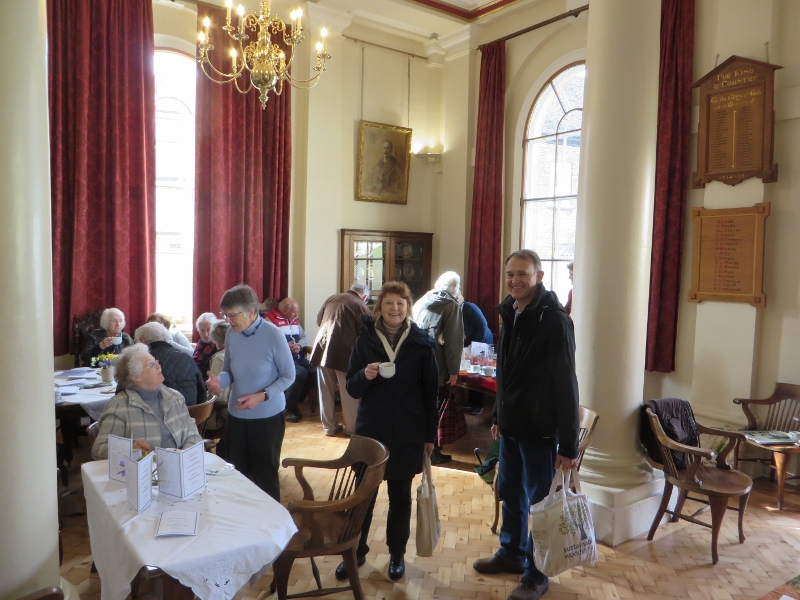
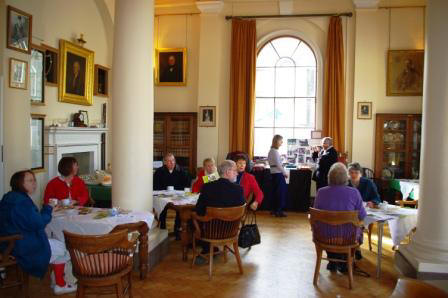
Woodstock's Fairtrade work predates Sustainable Woodstock. A local Fair Trade group developed after Woodstock Town Council backed the principle in 2006, and local volunteers went on to organise awareness events, coffee mornings and work with retailers and community organisations.
As Sustainable Woodstock grew, the two strands naturally overlapped. Climate, biodiversity and trade are not separate systems: how food and goods are produced affects land, water, emissions and livelihoods, while producers with too little bargaining power often have the least capacity to invest in environmental improvements or cope with climate shocks.
What to look for
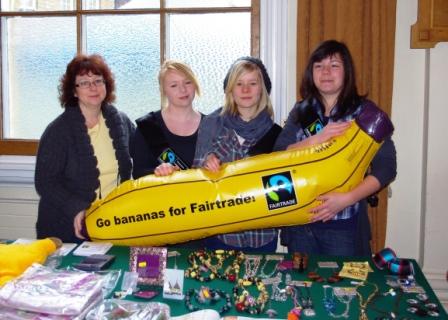
The FAIRTRADE Mark is one established way to identify products meeting Fairtrade standards, particularly for commodities such as coffee, tea, cocoa, bananas, sugar and cotton. It is not the only model of responsible trade, and a label cannot answer every question about a supply chain, but credible standards can give producers stronger minimum protections and make conditions more visible to buyers.
One Village in Woodstock
Woodstock has an unusually long-standing example of direct ethical trading on its doorstep. One Village began in 1979 and works with artisan cooperatives in Asia and Africa. Its Woodstock Worldshop continues to sell craft and household goods from those partnerships.
Visit One Village's Woodstock shop information ↗
Where this sits today
Fairtrade is not currently one of Sustainable Woodstock's main project pages or formal working groups, but the principle remains relevant to our wider work on consumption, climate and waste. We retain this page because the local history matters and because ethical purchasing is still part of a genuinely sustainable local economy.
For up-to-date national campaigns, standards and product information, the Fairtrade Foundation is the best source.